Moisture and outdoor furniture: what resin chairs can tell you
Outdoor furniture spends its life in changing conditions. Rain, dew, pool splash, humid air, and drying sun all act on the surfaces and joints of a chair, bench, or lounger. Resin has become a common choice for outdoor pieces because it can be shaped into durable forms and used around pools and patios. Still, moisture is not the same for every material, and even resin furniture benefits from a little understanding of how water behaves around it.
This is a practical look at what moisture does to outdoor furniture materials, with a focus on outdoor resin seating. The aim is to explain what happens, what to notice, and how everyday choices can help furniture last longer and look better.
Why moisture matters outdoors
Water affects outdoor furniture in several ways at once. It can sit on flat surfaces, collect in small crevices, soak into porous parts, or evaporate quickly after a warm day. Humid air can keep materials damp for longer than expected, even when there has been no rain. Over time, repeated wetting and drying can change the look and feel of a material.
Some materials absorb water. Wood, for example, contains pores and grain that can take in moisture. When it gets wet, it may swell; as it dries, it may shrink. That movement can lead to cracks, rough patches, or loosened parts if it happens repeatedly. Fabric can hold water in fibers, which may lead to mildew or a musty smell if it stays damp. Metal can develop corrosion when protective finishes are damaged, especially at joints, edges, or fasteners.
Resin behaves differently. Many resin pieces are made from synthetic material that does not absorb water in the same way wood does. That is one reason resin is often used for poolside products, dining sets, chaise lounges, benches, and chairs. Water usually stays on the surface rather than soaking deep into the piece. The main concerns become surface drainage, dirt buildup, mildew on residue, and water finding its way into gaps or hardware areas.
What resin construction changes
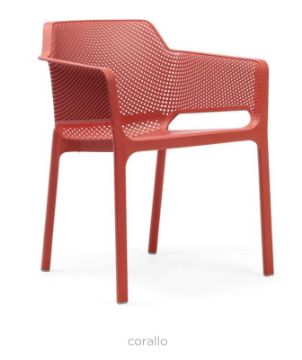
Resin construction can vary. Some pieces are molded as one continuous form, while others include frame sections, slats, cushions, or metal hardware. A single molded seat with open gaps for water to pass through will dry differently from a chair with deep buckets, tight corners, or layered parts.
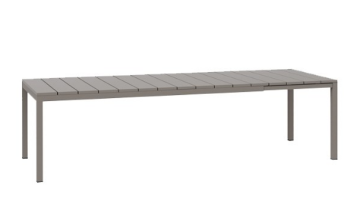
Shape matters as much as material. A slightly curved seat may shed water better than a perfectly flat one. Slatted backs and open under-seat areas allow air to move. Small raised details can add strength or style, but they can also trap water if the design does not allow it to escape. This is why surface drainage is worth noticing when comparing pieces.
Color and finish also play a part. Dark surfaces may warm faster in sunlight, which can help water evaporate, but they can also show mineral marks or dust more clearly. Light surfaces may hide heat and show fewer water spots, though dirt can be visible in different ways. Color stability is affected by ultraviolet exposure as well as moisture, so a piece near a pool may face both wetting and strong sun in the same afternoon.
That does not mean resin is maintenance free. It means the risks are different. Instead of worrying about water soaking into the core of the material, the focus is on keeping the surface clean, letting pieces dry, and checking areas where water can linger.
Rain, dew, and pool splash
Rain is the most obvious source of moisture, but it is not the only one. Dew can leave a thin layer of water on furniture overnight, especially in shaded yards or near grass. Pool splash adds another factor: water that carries chlorine or other pool chemicals may dry on surfaces and leave residue. That residue can attract dirt or feel slightly sticky if it is not removed.
Seating built for outdoor conditions is often chosen because it can handle regular exposure without the same level of concern as indoor furniture. Even so, a chair that dries unevenly may stay damp at the back of the seat, along a frame joint, or beneath a cushion. Dampness itself is not always harmful to resin, but combined with dirt, leaves, or sunscreen residue, it can encourage mildew on the surface.
Poolside furniture deserves a bit more attention because water often evaporates and leaves minerals or chemical film behind. A quick rinse after heavy use can be more useful than occasional deep cleaning. The goal is not to scrub everything constantly, but to stop residue from building up in places where water collects.
What to check after wet weather
A simple visual check is often enough. Look at the low points of a chair or lounger, the spaces where the seat meets the back, and any areas around feet or frame connections. If water pools there after rain, note where it sits and how long it takes to clear. Furniture that drains and dries within a reasonable time is usually easier to keep looking clean.
Also check the underside. Outdoor pieces are often viewed from above, yet the lower surfaces can stay damp longer. Dust, mud, or leaves stuck underneath can hold moisture against the piece. This is not usually a structural problem for resin, but it can lead to staining or a musty smell if left in place.
Hardware deserves attention too. Resin may resist water well, but screws, bolts, or metal parts do not all behave the same way. Rust marks near a fastener often point to the metal rather than the resin. Keeping those areas clean and dry helps preserve the overall look of the furniture.
Cushions and added fabric
Many outdoor chairs and chaise lounges use cushions, and cushions change the moisture picture. Even when the resin frame dries quickly, fabric may stay wet much longer. Foam can hold water if the cover allows it in, and a damp cushion left pressed against a seat can transfer moisture back onto the surface.
After rain, cushions should be lifted or stood so air can reach both sides. If they feel damp inside, give them more time before putting them back. A cover that looks dry on top may still hold moisture along seams or the underside. This is a common reason outdoor seating smells musty even when the frame seems fine.
Storage matters during long wet spells. Seasonal storage in a dry place can reduce the amount of moisture that fabric and hardware must tolerate. If full storage is not practical, covering furniture loosely can help, provided air can move. A tight cover that traps humid air may create a damp pocket, especially after the furniture has already been wet.
Cleaning without overdoing it
Seating built for outdoor conditions generally responds well to gentle care. Mild soap and water are often enough for everyday dirt. Soft cloths or sponges help lift residue without scratching the surface. A rinse with clean water removes soap film, which can otherwise attract dust.
Avoid harsh tools on visible surfaces. Abrasive pads may leave marks that hold dirt and make the finish look dull. Strong cleaners can also affect color or leave a residue that is difficult to remove. When dealing with mildew, start with a gentle cleaning method and give the piece time to dry in open air. If a product is used, choose one intended for the surface and follow its directions carefully. Never mix cleaning products, and keep them away from skin and eyes unless the label says the use is suitable.
Stains from leaves, berries, sunscreen, or drinks are easier to address when fresh. Moisture can make these marks spread or settle into texture. A quick wipe after a spill is often more effective than a heavy cleaning session later.
Placement makes a difference
Where furniture sits can change how much moisture it faces. A shaded corner near dense planting may stay damp longer than an open patio with sunlight and airflow. Furniture placed directly on grass or soil can pick up mud and moisture from below. Pavers, decking, and raised feet can help by allowing water to move away.
Wind exposure can dry furniture faster, but it can also blow leaves and dust onto surfaces. In windy spots, lightweight pieces may shift, so placement should consider stability as well as drainage. Keeping furniture away from sprinkler spray is also useful. Repeated sprinkling on one side of a chair can leave a stubborn pattern of residue that looks like water damage but is really buildup.
Airflow is a quiet ally. Chairs grouped tightly together may take longer to dry after rain, especially if cushions are in place. Giving pieces enough space between them helps moisture clear and makes surface checks easier.
Temperature changes and moisture together
Moisture rarely works alone. Temperature changes can affect how quickly water evaporates and how long surfaces stay damp. A cool night followed by a warm morning can leave condensation on furniture. In colder seasons, wet furniture that freezes and thaws repeatedly may face more stress at joints and hardware, even if the resin body itself remains stable.
Ultraviolet exposure adds another layer. Sun can dry water quickly, but it also affects surface appearance over time. A piece that is often wet and then strongly sunlit may show dirt marks, water spots, or uneven fading more clearly than one in balanced conditions. Rotating chairs in a dining set can help even out appearance where the design allows it.
This is why material choice and placement should be considered together. Resin offers useful resistance to water absorption, but the surrounding conditions still shape how the furniture ages. Open designs, thoughtful cleaning, and sensible storage make more difference than any single feature.
What this means for buyers and owners
When comparing outdoor furniture, look beyond the material name. Ask how the piece is shaped, whether water can escape, how cushions are supported, and whether the frame has areas that trap moisture. A well designed chair should be easy to wipe, easy to dry, and simple to inspect around joints and feet.
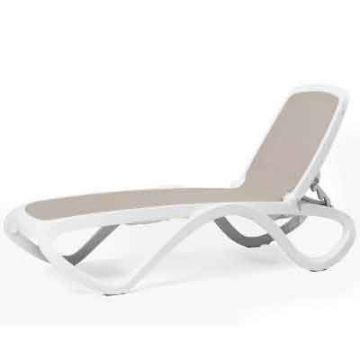
For poolside use, resin is a practical option because water usually sits on the surface rather than being absorbed. For patios with heavy shade, airflow and cleaning matter more, since dampness lasts longer. For dining furniture, open slats and stable feet can help after rain. For chaise lounges, pay attention to the angle of the seat and the way water leaves the surface.
Moisture does not have to be a threat to outdoor furniture. With resin pieces, the main task is to manage what sits on top: water, dirt, residue, and damp fabric. A little attention after rain, sensible placement, and gentle cleaning can keep chairs, benches, loungers, and dining pieces looking their best through changing seasons.